
A renter rarely starts on your website. They start on Zillow or Apartments.com, scrolling through dozens of units before they have ever heard your company name. Listing syndication is how your vacancies show up in those places. Done right, it fills units faster and feeds the leads back to you. Done wrong, it scatters stale copies of your listings across the web and hands the renter relationship to a portal. Here is how syndication actually works in 2026, and how to use it without giving away control of your leads.
What listing syndication actually is
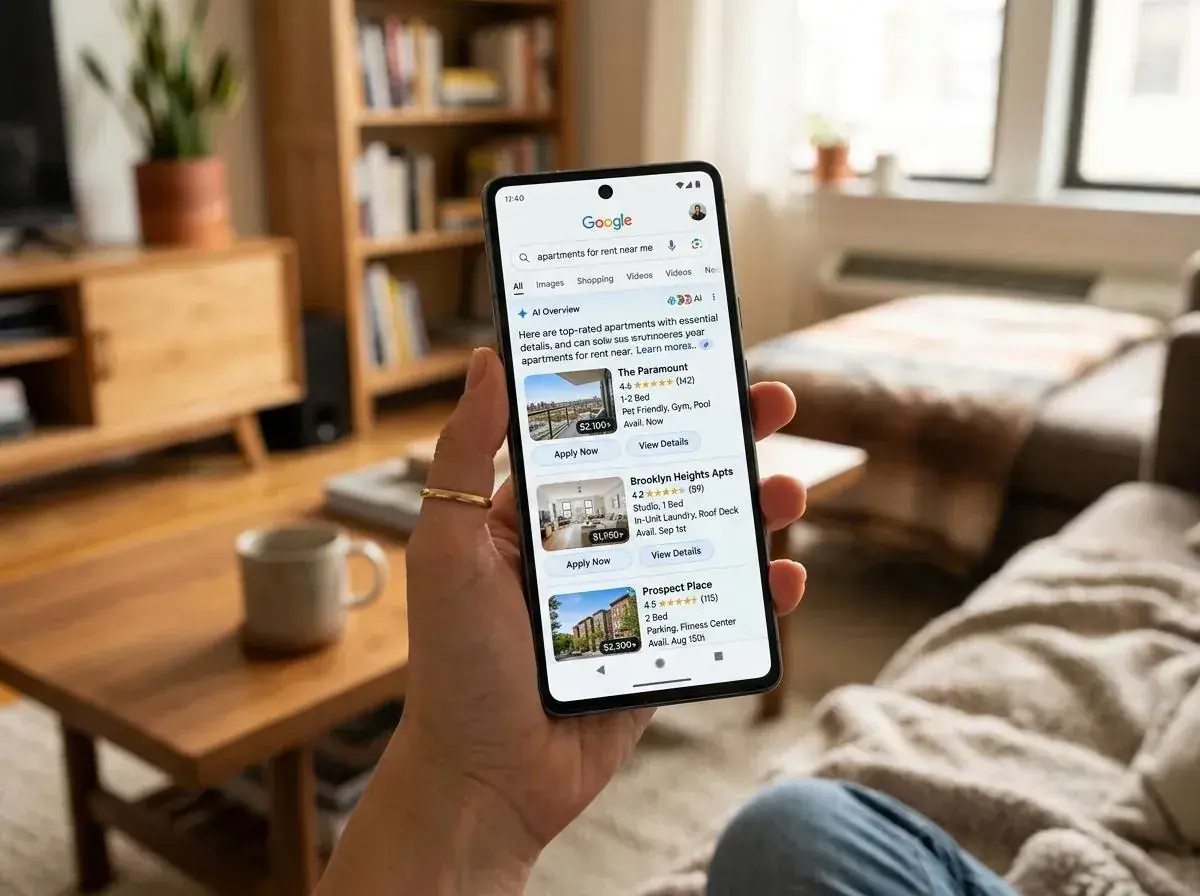
Syndication means you publish a unit once, from a single source, and a feed pushes it out to many listing sites automatically. The source is usually your property management software or your own website. The feed carries the rent, beds, baths, square footage, photos, and availability to each portal so you never retype the same listing into ten different forms. Update the unit in one place, and every portal updates with it. That is the promise. The catch, which most property managers miss, is who owns the lead at the other end.
The reach you are competing for
34M
monthly visitors across the Zillow Rentals Network (Zillow, Trulia, and HotPads)
43M+
monthly renters across the Apartments.com network of 11 sites
96%
of listings where Zillow posted first in a June 2026 study of 17 rental platforms
That same study found no single platform carried every listing. Even the largest site in the market covered only about 72% of the apartments. The reach lives in the network, not in any one portal, which is exactly why syndication exists.
The major networks, and what one listing really reaches
The rental portal world has consolidated into a few large networks. Posting to one of them places your unit on several sites at once, because each network syndicates internally. Here is what a single listing covers on the two networks that matter most for property managers, plus the realtor.com side.
| Network | Monthly audience | Sites one post reaches |
|---|---|---|
| Zillow Rentals Network | ~34M | Zillow, Trulia, HotPads, plus Redfin, Rent.com, and ApartmentGuide.com through a 2025 partnership |
| Apartments.com Network | 43M+ | Apartments.com, ForRent.com, ApartmentFinder.com, ApartmentHomeLiving.com, and 7 more |
| realtor.com rentals | Large | realtor.com plus its content-syndication partners, fed by CoStar and other providers |
Syndication is reach, not a strategy
Getting on every portal feels like the whole job, but it comes with a hidden cost. When a renter finds your unit on Zillow and taps "contact," the portal owns that conversation. It may show competing units on the same page. It may charge you to surface your listing above those competitors. Basic Zillow listings are free, with a premium upgrade running a flat fee of about $40 for up to 90 days, but the price you really pay is the relationship. You become one of a dozen options the portal monetizes, not the company the renter came looking for.
There is a data cost too. The more places your listing lives, the more places it can go stale. A rent change or a leased unit that updates on your site but lags on three portals makes you look disorganized and wastes calls on units that are already gone. The portals also reward fresh, accurate data, so stale copies quietly sink in their results.

Your website should be the source of truth
The fix is not to abandon the portals. It is to make your own website the origin of every listing, with the syndication feed flowing outward from there. Your site carries the canonical, always-current version of each unit. The portals carry copies for reach. When the feed runs the right direction, you get the audience of 34 million Zillow visitors and 43 million Apartments.com renters without surrendering your best leads, because a real share of those searchers will look you up directly and land on a page you control, with no competitor ads and no portal fee between you and the inquiry.
How to syndicate listings the right way
Pick one source of truth
Your property management software or your website holds the master copy of every unit. Never a spreadsheet and never the portal forms themselves. One place updates, everything else follows.
Connect an automated feed
Set up a syndication or listing feed from that source to the networks. Manual reposting guarantees stale data. A feed means you change a unit once and every portal catches up on its own.
Keep the data current and complete
Rent, availability, square footage, amenities, and real photos on every unit. Portals bury thin or outdated listings, so accuracy is not just honesty, it is placement.
Show the full price
Zillow now requires total-price display, with fees included, on its network. List the real monthly cost everywhere so your listing is not flagged or filtered out for hiding charges.
Point every portal back to your site
Use the website field on each listing so interested renters can find your own property page. Track which portals actually send leads so you know where your reach is paying off.
Capture the lead on your own pages
A fast property page with a clear inquiry form and a tap-to-call button turns portal-driven traffic into a lead you own outright, not one the portal rents back to you.
The landscape is consolidating, so plan for it
The networks are getting bigger and fewer. In early 2025, Zillow became the exclusive provider of larger multifamily rental listings (buildings with 25 or more units) across Redfin, Rent.com, and ApartmentGuide.com, a deal that has since drawn antitrust attention from the FTC and several states. Whatever the legal outcome, the direction is clear. Fewer gatekeepers will control more of the renter audience. The property managers who own their own listing data and their own website are the ones who keep leverage as that shakes out, instead of depending entirely on terms a portal sets.
The bottom line
Syndication is how you reach the tens of millions of renters who search on Zillow and Apartments.com, and skipping it means skipping most of the market. But reach alone is not a strategy. Treat your website as the source of truth, feed the portals from it, keep every copy current, and pull the lead back to a page you control. That way the portals work for you instead of the other way around, and the renter who found you on a portal ends up talking to you, not shopping your competitors on the same screen.